

The nine provincial education departments will need an extra projected minimum of R79 billion and a maximum of R118 billion by 2027 to fund programmes, including paying teachers’ salaries.
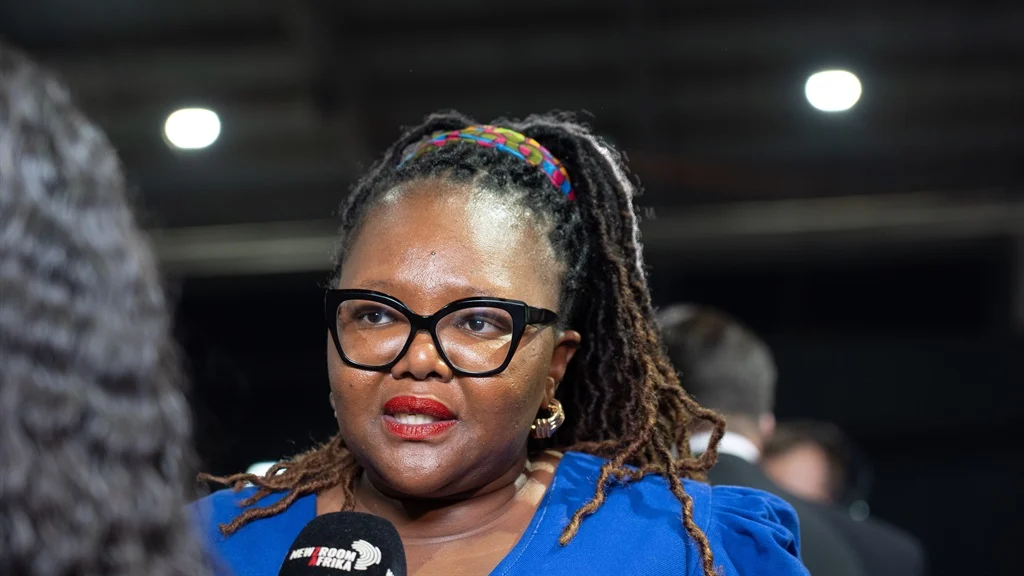
This was the dire warning sounded by Basic Education Minister Siviwe Gwarube at a media briefing in Pretoria on Wednesday who said that the country faced a pending national crisis.
“Provincial education departments will in the next two to three years find it increasingly difficult to fund their existing basket of teacher posts and existing programmes within the available budget, unless measures are taken proactively to mitigate this risk,” she said.
Gwarube said that, between April 2025 and March 2026, four provincial education departments would battle to cover their budgets and that five provinces would face the same fate between April 2026 and March 2027.
The minister added that seven provinces would battle to cover their budgets between April 2027 and March 2028.
“It is crucial to understand that this crisis is not confined to one province or one aspect of the education sector. Every province is grappling with these painful choices.”
Gwarube has requested an urgent meeting with Finance Minister Enoch Godongwana to discuss the matter further.
She said that several provinces had preserved the same post basket for the past three academic years, despite pupil numbers increasing, while other provinces had decreased their posts in the past three years.
She added:
It is important to note that these have been cuts in posts but not warm bodies. This means that no person gets retrenched but rather vacancies are not filled.
The Western Cape government announced recently that it would be reducing its teacher post basket by 2 400.
Gwarube said the financial pressures had been years in the making because of aggressive budget cuts, economic stagnation and fiscal mismanagement across government, and that this was now set to affect schools.
“These budget pressures are not just numbers on a spreadsheet, they translate into fewer teachers, reduced textbooks, and fewer administrative support staff, which means teachers spend more time on administrative work, thereby reducing learning and teaching time.”
She said, in essence, “the very fabric of our children’s future is under threat”.
“In provinces like the Western Cape, we’ve already seen the painful decision to reduce the basket of teaching posts for 2025, a move that may result in fewer educators in classrooms,” the minister added.
“This may mean larger class sizes, reduced individual attention for learners, and, ultimately, a risk to the achievement of quality education outcomes.”
Navigating budgets
She said that, unfortunately, other provinces in the country were in a similar position, with many desperately working to find ways of avoiding having to top slice budgets for key services like textbooks, administrative support and scholar transport programmes.
Gwarube said that she and Deputy Basic Education Minister Reginah Mhaule had been in constant engagement with provinces to support them “during this challenging fiscal environment”.
“We have committed ourselves to doing everything we can to stabilise (the) system and have appealed to provinces to retain the basket of posts, in order to not compromise education outcomes,” she said.